







Search Results for: growing region
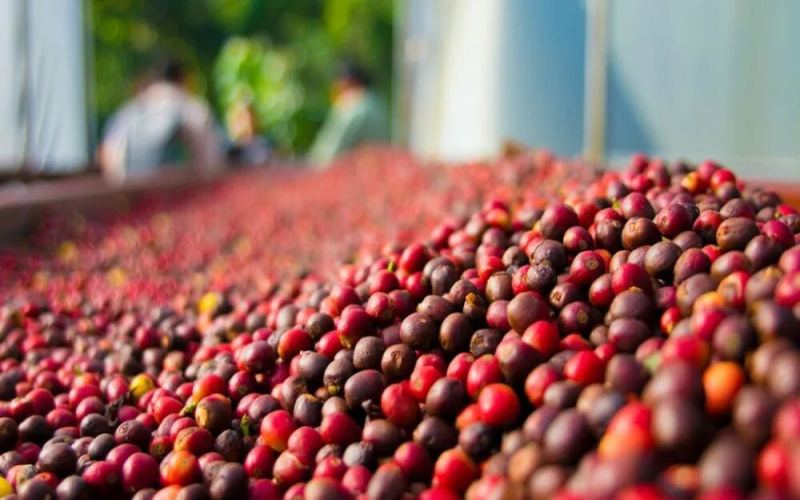
Panama Coffee Beans | Why Can Panama Become a Top Coffee-Producing Region? What Are the Growing Conditions of the Boquete Region? Which Coffee Varieties Does Panama Grow?
Panama is a Central American country, bordered by Costa Rica to the west and Colombia to the east. Friends who know something about single-origin coffee should all know that Panamanian coffee is famous in the coffee world for the Geisha from Hacienda La Esmeralda. Ever since the Geisha from Hacienda La Esmeralda won the BOP championship in 2004, Pana [more…]

An In-Depth Analysis of Kenyan AA Coffee: Origin Terroir, Grading System, and the Causes of Its Bright Fruit Acidity
On the African continent, beyond Ethiopia, Kenya is equally a presence that cannot be overlooked in the specialty coffee landscape. Anyone who has come into contact with specialty coffee, after experiencing how remarkably vivid coffee acidity can be, will almost always ask the same question: where does the coffee with the most prominent acidity come from? The brewers at Front Street Coffee often point to Kenya in their answer. Kenyan coffee is renowned for its clean and translucent cup, full and rounded body, and highly recognizable fruity acidity, conquering the taste buds of countless coffee lovers. This article will systematically review Kenya's coffee-growing terroir, historical evolution, characteristics of the top ten producing regions, and official grading standards. Using the washed fermentation process as an entry point, it will explain the reasons behind the formation of its signature flavors, and finally include the specific brewing recipe for Front Street Kenya Azalea for reference. [more…]

Analysis of Coffee Tree Potted Cultivation and Growing Region Conditions: From Plant Classification to Artificial Planting Practices
Coffee, this everyday beverage, originates from the fruit of the coffee tree. This article begins with its botanical classification and systematically examines the origins, growth habits, and suitable cultivation regions of the coffee tree. The coffee tree belongs to the genus Coffea in the family Rubiaceae and is an evergreen shrub, naturally distributed across the "Coffee Belt" between the Tropic of Cancer and the Tropic of Capricorn. Beyond commercial cultivation, the coffee tree can also be grown as an ornamental potted plant, displaying its unique charm in artificial environments. The article will explain in detail the coffee tree's growth cycle, pruning management, and planting applications in coffee shops, accompanied by multiple images to aid explanation, helping coffee enthusiasts gain a more comprehensive understanding of this plant's natural and cultivated growing requirements. [more…]

Introduction to Nicaraguan coffee growing areas and coffee grading.
The American region happens to be in the coffee growing zone, so there are many well-known coffee growing countries in the Americas, such as Panama, Honduras, Costa Rica, Nicaragua, etc. Although Nicaragua is not as well-known as Costa Rica and Panam [more…]

Pour-Over Beans from High-Altitude Regions: Why Are Floral and Fruity Notes Clearer?
When drinking pour-over coffee, have you ever noticed a pattern: those beans with particularly clear floral and fruity notes often come from high-altitude origins. Between altitude and flavor lies a very interesting causal chain—once you understand it, your eye for choosing beans will become much sharper. The reason high-altitude growing regions produce good flavor is first of all temperature. [more…]
A Complete Guide to Hawaii's Coffee Regions: From Growing History to Kona Flavor and Specialty Bean Roasting
The Hawaiian Islands lie south of the Tropic of Cancer, and thanks to their volcanic soil and tropical climate, they produce coffee that is recognized worldwide as exceptional. The Kona growing region is the most famous, yet the history of coffee cultivation in Hawaii has been full of ups and downs—from its first introduction in 1825 to infestations of pests and diseases, and then the rise of small estates, spanning nearly two centuries. This article examines the full picture of Hawaiian coffee, from the history of its growing regions and flavor characteristics to the Kona certification system and emerging sub-regions such as Kau, Hamakua, and Puna, and explores how roasters like Front Street Coffee bring out its distinctive charm. [more…]
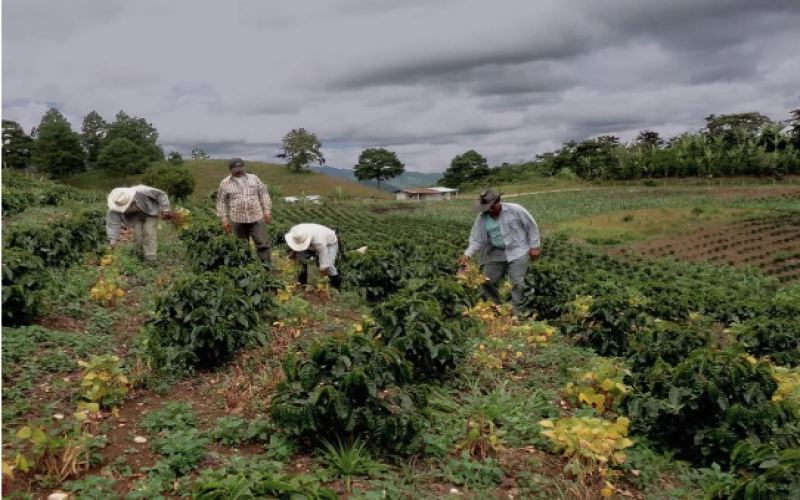
Honduras | Introduction to Coffee Growing Regions and Varieties
The full name of Honduras is the Republic of Honduras (República de Honduras), which is located in the northern part of Central America, bordering the Caribbean Sea to the north, the Gulf of Fonseca on the south side of the Pacific Ocean, and also ad [more…]
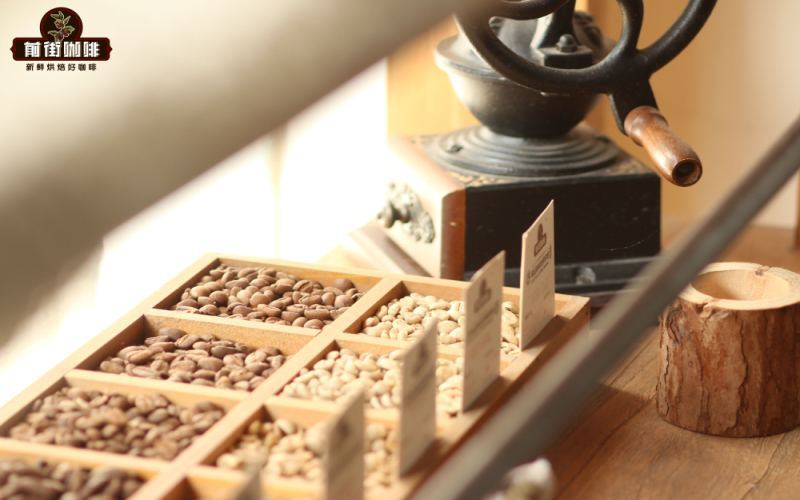
A Complete Guide to Colombian Coffee Regions: From Huila Everyday Beans to Finca El Paraiso Cherry Blossom – Flavors and Pour-Over Tips
Colombia is one of the few single-origin coffee-producing countries that sells worldwide under its national name, and the complex terrain along its Andes Mountains has created a flavor spectrum from north to south, each with its own character. From the perspective of Front Street Coffee's bean selection, this article sorts out the flavor differences among Colombia's three major growing regions—northern, central, and southern—with a focus on the dark chocolate and caramel notes of Huila's everyday drinking beans, and an in-depth analysis of Finca El Paraiso Sakura, a double anaerobic washed bean with its unique spice aroma and strawberry jam finish. At the end, it includes the V60 pour-over parameters and staged pouring steps used by Front Street Coffee baristas, helping enthusiasts reproduce at home this cup of Colombian flavor that combines floral and fruity acidity with a full-bodied mouthfeel. [more…]
From Botanical Characteristics to Harvesting and Processing: Essential Knowledge and Coffee Bean Understanding for Coffee Beginners
For those who are new to coffee, understanding its essence, botanical characteristics, growing conditions, and harvesting process is the first step toward building systematic knowledge. This article will unfold around the basic concepts of coffee, sorting through key points one by one—from the morphology of the coffee tree, variety classification, and suitable growing environment, to the harvest periods and green bean processing methods of major global producing regions. The article also covers related product information recommended by Front Street Coffee, as well as the specific practices of Macado specialty beans in quality control. Whether you are a coffee enthusiast or a barista just starting out, this content can help you more clearly understand the full story behind a cup of coffee. [more…]
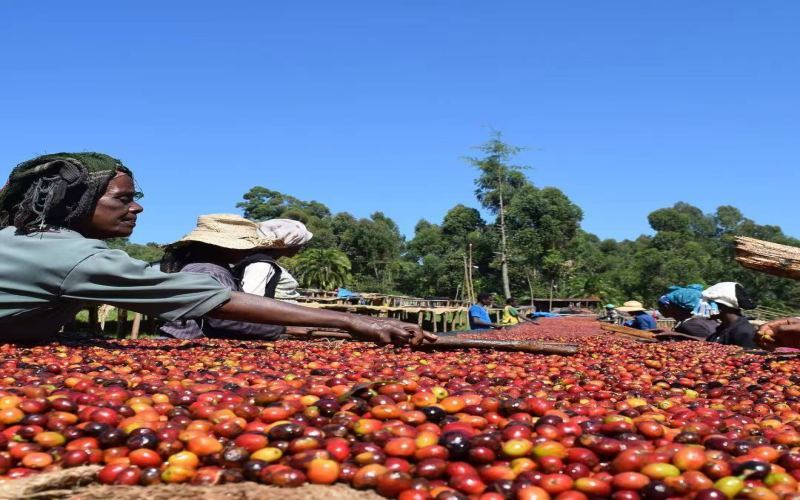
Hambela Region: The Source of Sweetness in Ethiopian High-Altitude Washed Coffees
In the high-altitude growing regions of Ethiopia, the name Hambela has been mentioned frequently in recent years. It is located in the Guji region, and the Huakui coffee it produces has become popular for its rich fruity aroma, while the region's high-altitude environment is precisely an important source of sweetness. Where Hambela Is Located Hambela is situated in the high-altitude zone of the Guji region in southern Ethiopia, [more…]
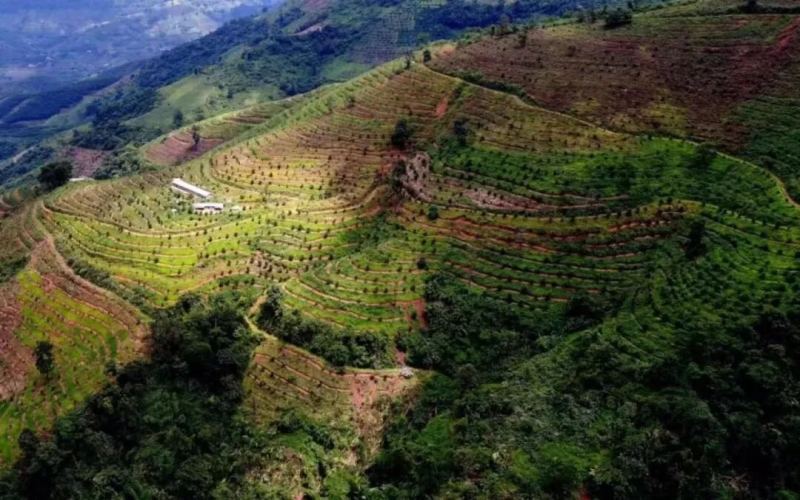
Yunnan Coffee | Where is China's coffee-producing region? Why is Yunnan suitable for growing Arabica? What are the characteristics of Yunnan coffee varieties?
Front Street Coffee has learned that most people, when they first get into specialty coffee, start with Africa's Ethiopian Yirgacheffe or Sidamo regions, while when it comes to Asian coffee, most people first think of Indonesia's Mandheling coffee beans. But with the rise of the domestic goods trend, Chinese Yunnan coffee has begun [more…]
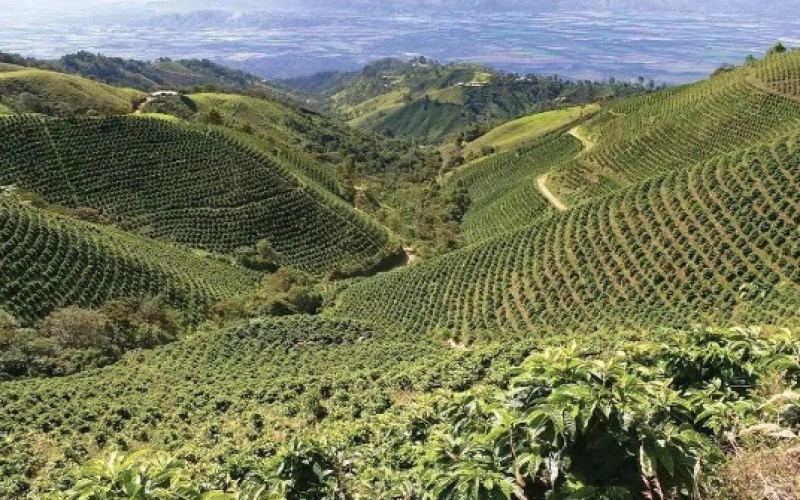
Colombia | Coffee growing regions in Colombia
Colombia is one of the most famous coffee producing areas in the world and is known for its high-quality coffee. Colombian coffee is also one of the few single-origin coffees sold in the world under the name of the country. The full name of Colombia [more…]
Coffee Stories | When did Colombia start growing coffee? What role does the National Federation of Coffee Growers of Colombia (FNC) play in the development of the coffee industry?
Coffee has become a daily beverage. While enjoying that morning cup with its full spectrum of sourness, sweetness, and bitterness, coffee drinkers have begun to notice that coffees from different regions taste different as well. Brazilian coffee is soft and smooth, Ethiopian coffee has bright acidity, and Indonesian coffee is low in acidity and full-bodied. Front Street Coffee has encountered [more…]
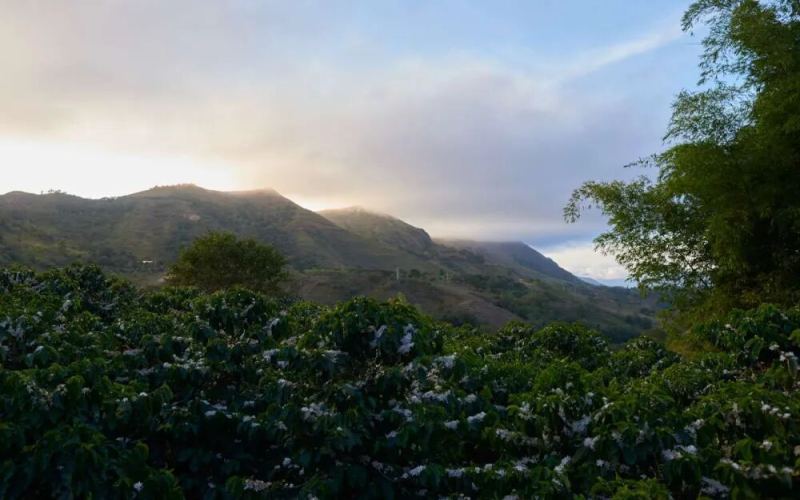
Colombian Coffee Beans | What Are Colombia's Specialty Coffee Regions? Why Does Colombian Huila Coffee Have a Chocolate Flavor?
Everyone who has visited a Front Street Coffee shop knows that Front Street offers a huge variety of coffee beans. For some beginners, this can actually be a bit unfriendly, because a wide selection often means consumers need broader coffee knowledge to choose the type they like. Fortunately, the baristas at Front Street are always patient in consult [more…]
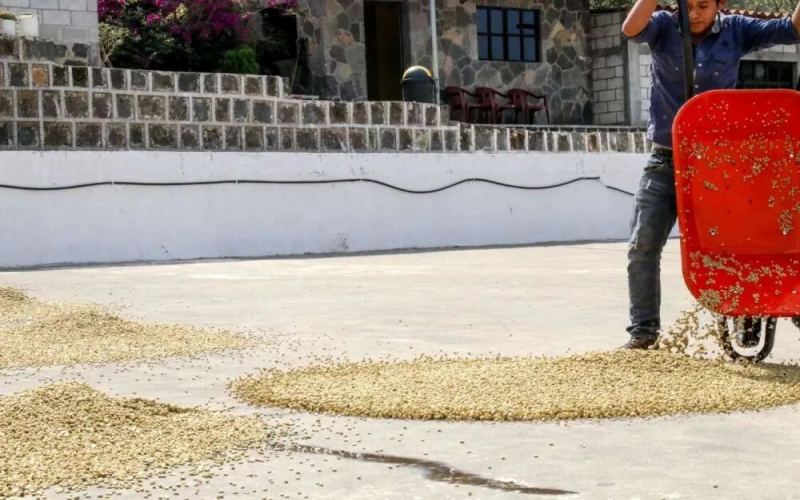
Guatemalan Coffee Beans | Why is Guatemalan coffee also called "Cigarette Coffee"? Where does Guatemala's unique coffee flavor come from?
Many first-time visitors to Front Street Coffee are surprised by the affordable prices of our coffee beans, but longtime fans of Front Street know that the most cost-effective coffees are undoubtedly the Front Street everyday beans series. These everyday beans are all carefully selected by Front Street to represent the most classic flavors of the world's major coffee-producing regions. [more…]
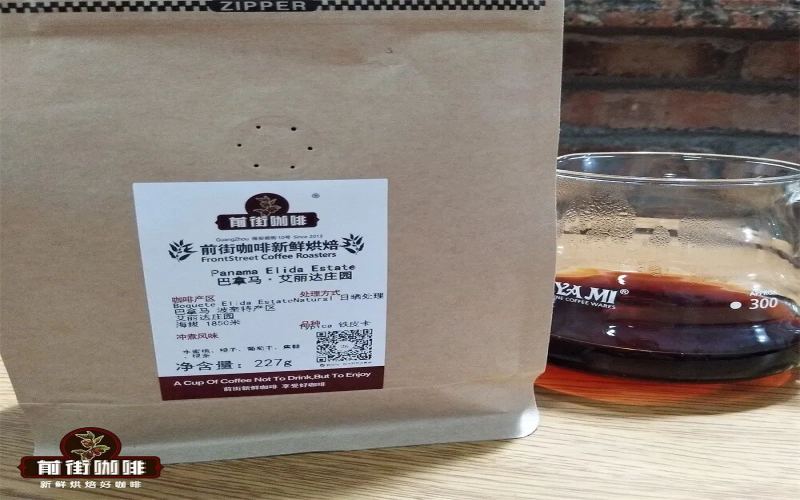
Coffee Varieties | Are Geisha and Gesha coffee the same variety? How was Geisha discovered? What are the differences between Yirgacheffe and Geisha coffee?
We know that Geisha coffee is very delicious and also very famous, but do you know how Geisha coffee got its name? There are many ways to name coffee: some are named after the producing country or region, and some are named after the estate, while Geisha is the name of a coffee variety. Geisha refers to a coffee variety, called Geisha/Ge in English. [more…]
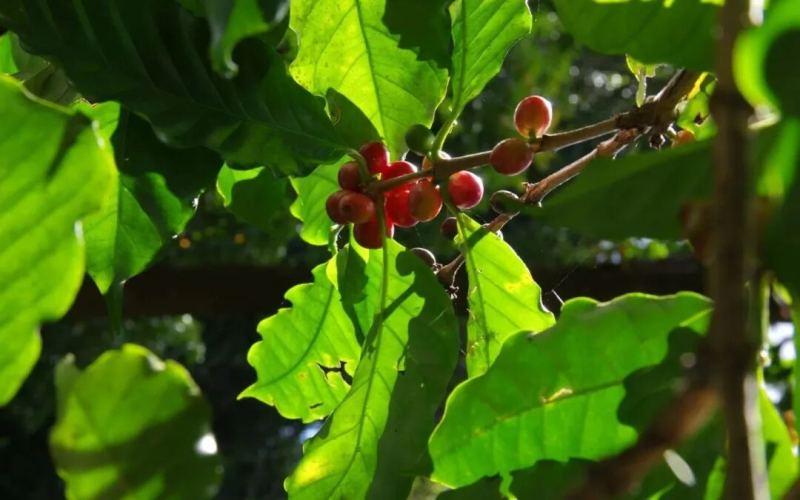
Ethiopian Coffee Beans | How Many Coffee Regions Are There in Ethiopia? Which Washing Stations and Cooperatives Produce Ethiopian Specialty Coffee?
As the birthplace of coffee, Ethiopia has always been a pilgrimage site for many coffee professionals. Many friends who come to Front Street Coffee ask as soon as they walk in whether we have Ethiopian beans, whether we have Yirgacheffe beans. Yes, whether for coffee beginners or coffee connoisseurs, Ethiopian coffee beans have that bright [more…]
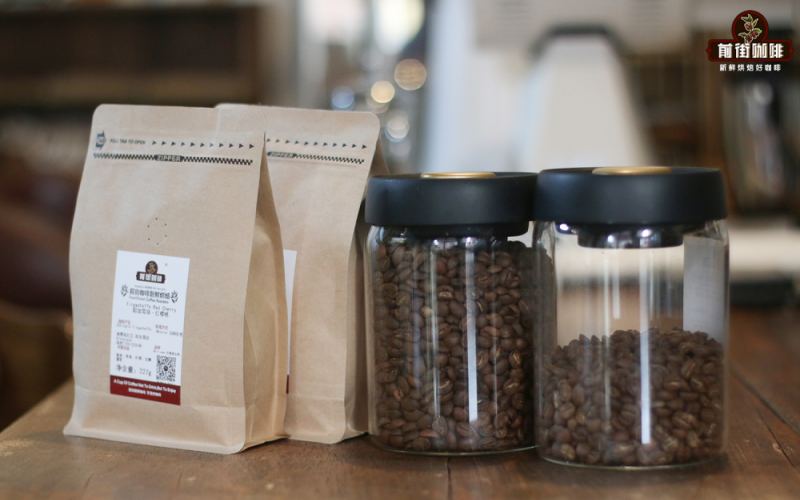
Beginner Pour-Over Coffee Bean Recommendations | What Coffee Beans Are There from Africa, Asia, and the Americas? What Flavor Characteristics Do Coffee Beans from Different Regions Have?
As far as I know, many coffee lovers who have just gotten into the hobby share a common dilemma: "Which beans should I buy for pour-over coffee??" "Which beans suit me?" "Which coffee beans are suitable for pour-over?" For seasoned veterans, this is not difficult at all. But for coffee newbies who are just starting out, it's a bit complicated! In the coffee shop, [more…]

Traveling Along the Coffee Belt: How Terroir Shapes a Pour-Over
Stretching between the Tropic of Cancer and the Tropic of Capricorn lies a coffee belt. Every producing region along this belt tells its own coffee story through its unique altitude, soil, climate, and cultural traditions. For pour-over enthusiasts, understanding a region's terroir is like traveling the world with a flavor map in hand. The story begins with Ethiopia [more…]
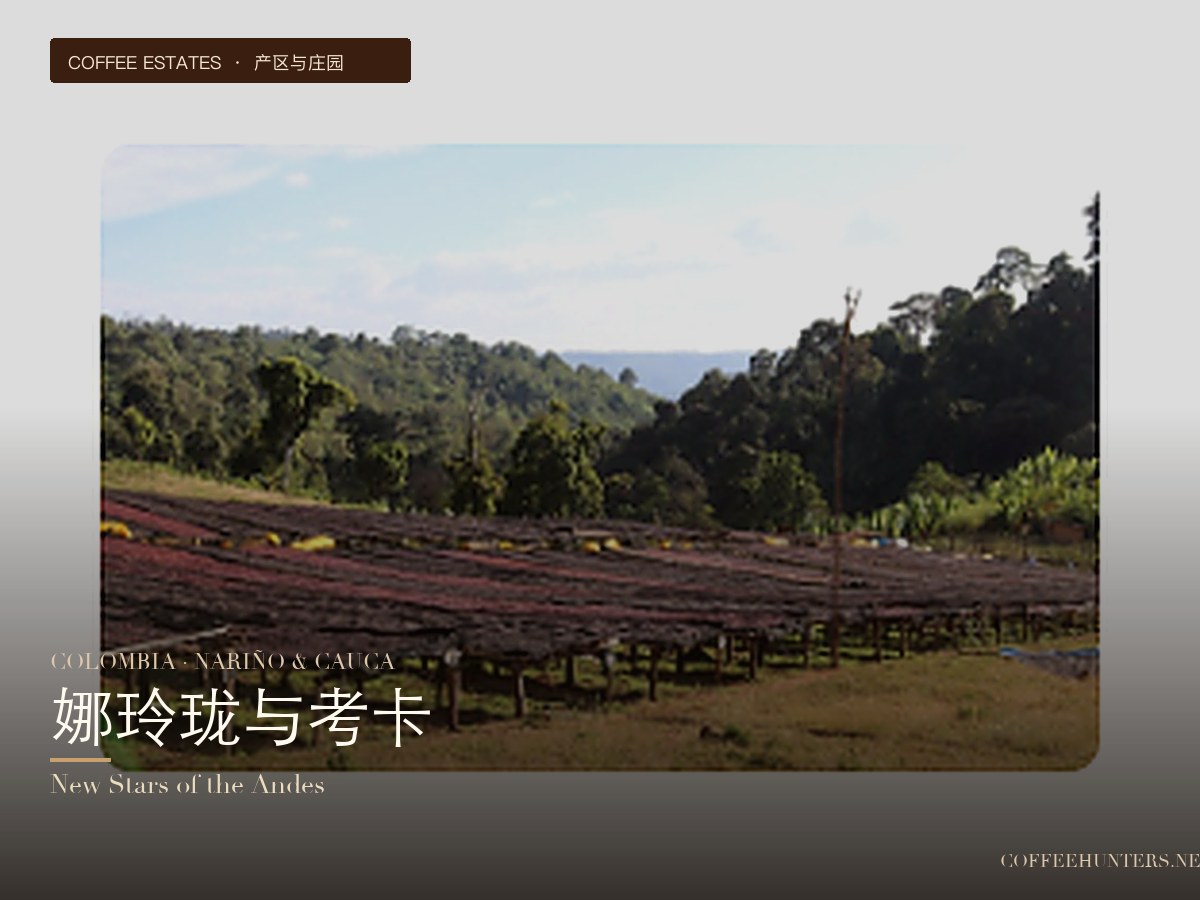
Colombia · Narino and Cauca: High-Scoring New Stars of Specialty Estates
Nariño and Cauca are two neighboring emerging specialty coffee regions in southern Colombia. The coffee produced here has, for consecutive years, earned high scores in the Cup of Excellence thanks to its full-bodied tartaric acidity, pronounced fruity notes, and complex layers. [more…]